This occupation is found in a wide range of specialist vessels, both commercial and military, be it carrying cargo, equipment, passengers, or crew.
Seafarers are employed in both the Merchant Navy and the Royal Navy and the vessels they work on vary considerably in their size, type, and use. For instance, vessels might work in near coastal waters, such as certain ferries and patrol boats. Other vessels operate in deep sea waters around the world, such as container ships and aircraft carriers. Therefore, a seafarer’s responsibilities will vary between different vessels. Seafarers can expect to work varied shift patterns over a 24-hour rota, meaning night work is very common. Many will be expected to live on board their vessel for significant periods. Seafarers usually work as part of the navigational or deck teams on board their vessel.
The broad purpose of the occupation is to support the vessel arriving at its destination or meeting another objective (such as unloading cargo), in line with the requirements set out by the ship’s Master. Seafarers do this by carrying out a range of operations and checks on the vessel, which is often physically demanding. Their work is key to ensuring the
vessel meets its targets. Even during rest periods, a seafarer has a responsibility to respond as is appropriate during emergencies to ensure the safety of the vessel and those on board.
In their daily work, an employee in this occupation interacts with other crew a great deal. Seafarer’s can work alone but often need to work with other seafarers to complete tasks. Good communication within the team is therefore very important, but even more so because vessels are likely to include other seafarers from a range of different
nationalities, cultures, and languages.
Seafarers normally report to a supervisor on board their vessel. The seafarer works to instructions given to them by the supervising officer. Depending on the type of vessel, seafarer’s may also be expected to interact with passengers. An employee in this occupation will be responsible for contributing to the overall safe and effective operation of
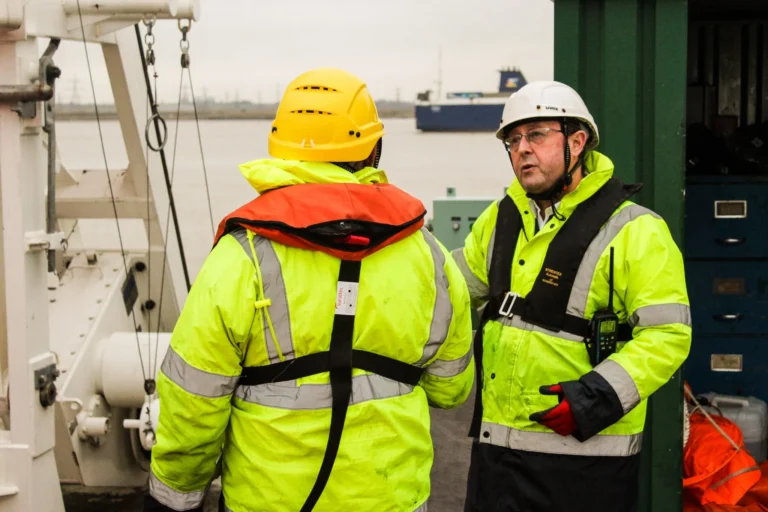
the vessel. A seafarer carries out watchkeeping duties; maintaining the safety and security of the vessel, cargo, and personnel on board; and undertaking a range of practical seafarer tasks covering rope work, anchoring and mooring activities and operations. They must adhere to safe and environmentally responsible working practices and international regulations and will have a range of security duties. A seafarer must work safely in enclosed spaces and at heights and must respond to vessel emergencies; administer emergency first aid; carry out fire prevention and fire fighting duties; use survival techniques in the water; and operate survival craft and rescue boats.
Seafarer regulations are set by the International Maritime Organisation (IMO) and are known as the International Convention on Standards of Training, Certification and Watchkeeping (STCW) and are put into effect in the UK by the Maritime and Coastguard Agency (MCA).
Passing this apprenticeship, including the mandatory qualifications and certification required, means the seafarer will be able to work on board any type and size of vessel in any part of the world. This Apprenticeship provides for full competency in the role of a seafarer (deck rating) occupation. Apprentices wanting to advance their career may also obtain an Able Seafarer (Deck) certificate from the MCA, so they can lawfully work at the Able Seafarer level onboard a vessel. This would require a further 12 months sea time and sits outside of the apprenticeship.
Career options are many and varied – depending on how a seafarer wants to specialise in future they will need to gain additional “endorsements” (certificates from the MCA) – such endorsements also sit outside this Apprenticeship.